BAO BEI
GAME RULES
2–6 players · 66 cards
Observe. Remember. Pluck. Choose the right moment to call BAO.
For your first game: read Parts 1 to 4 in order. First learn how to take a turn, then how to pluck cards, and finally how to call BAO. Part 5 explains how to win the game. Appendix A describes every ability; Appendix B covers special situations. The quick reference and FAQ are designed for use during play. The complete rules below are authoritative: the appendices are not optional.
Ready to play?
Jump to any part of the rulebook or search for a specific rule.
1. Aim of the game and setup
1.1. Your objective
A game of BAO BEI lasts several rounds. In each round, you have bird cards face down in front of you. Each card has a point value. At the end of the round, add up the values of all cards you still have: this is your round total.
Your aim is to reduce that total as much as possible. Observe cards, remember their positions, replace high-value cards and try to remove cards from your display. Some cards have an ability, meaning a special effect. These abilities are explained in Appendix A.
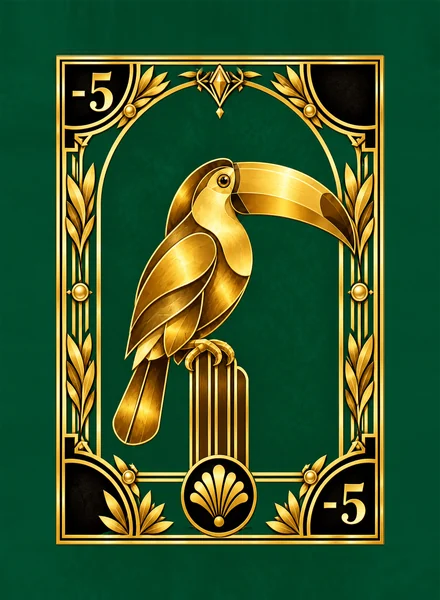
In Chinese, “Bao Bei” means “treasure.” In the game, the Golden Toucan represents that treasure: it is the only card worth –5 points.
You can also bring a round towards its end by calling “BAO!”. A tie for the lowest total is not enough: to succeed, you must finish with strictly fewer points than every other player. All conditions for calling BAO are explained in Part 4.
After each round, add your round score to your running total. Negative scores reduce your running total. The game ends when a score threshold is reached. The player with the lowest running total wins.
1.2. Dealing, first look and starting player
Deal face down:
- With 2 players: 5 cards each.
- With 3–6 players: 4 cards each.
Arrange your cards in front of you in a row, a square or another clearly identifiable layout. Then choose exactly two of your cards, look at them secretly once only, and return them face down to their original positions. You may not look at your other cards during this step.
The remaining cards form the draw pile, face down. Turn its top card face up to start the discard pile, whose top card is visible. This initial face-up card is neutral: it permits no special action and triggers no effect.
Choose the starting player at random in the first round. In later rounds, the player who scored the most points in the previous round, including any increased score, starts. If several players tie, the one who came first in the previous round's turn order starts. Play then proceeds clockwise.
1.3. Golden rule: card positions stay fixed
Remembering each card's position is part of the game. Once the layout is established, positions remain fixed unless a rule expressly permits a change:
- Removing a card: its position becomes empty; all other cards stay where they are.
- Replacing a card: the new card goes into exactly the same position.
- Adding a card without replacing another (for instance, a penalty or a card added by a Toco Toucan): its owner puts it into a position previously left empty by a removed card, if one exists. If several positions are empty, the owner chooses which to use. A new position is created only if no previously emptied position is available. No other cards move.
- Swapping or moving a card: this is permitted only when a rule or ability explicitly allows it.
You may therefore never, on your own initiative, look at, turn over, move, swap or rearrange face-down cards, even to close a gap or make them easier to remember.
2. The core loop — your turn
2.1. Choose one of two actions
On your turn, you are the active player. You must choose one, and only one, of these actions:
- Draw the top card from the face-down pile: look at it secretly, then decide what to do.
- Take the top discard: take the visible top card and use it to replace one of your cards.
These choices are mutually exclusive. You cannot both draw a card and take a discard during the same ordinary turn.
After drawing, you may sometimes remove a card if you think you recognise the same bird. This special action is explained in Part 3. If an ability is triggered, resolve it later, under the conditions in Appendix A.
If you have no cards left in front of you, follow the procedure in Appendix B.
2.2. Draw: keep or discard
Take the top card of the draw pile and look at it secretly. Before deciding whether to keep or discard it, only you may immediately attempt the special action in Part 3, either singly or as a double attempt.
If you do not attempt that action, choose one of the following:
- Keep the card. Choose one of your face-down cards without looking at it again. Place the drawn card face down in exactly that position. Reveal the old card and put it face up on the discard pile. The other players may then attempt the special action in Part 3 using this newly visible card.
- Discard directly. Put the drawn card face up on the discard pile, without replacing any card. Other players may attempt the special action using it.
If an ability is triggered, it is resolved later, as explained in Appendix A.
2.3. Take the discard: replacement is compulsory
Instead of drawing, take the card currently visible on top of the discard pile. You must replace one of your own face-down cards:
- Choose one of your cards without looking at it again.
- Put the retrieved card face down in exactly the same position.
- Reveal the old card and put it face up on the discard pile.
The other players may attempt the special action in Part 3 with this newly visible card. The active player may not use their own visible discard for this purpose.
No ability is resolved by the act of taking the discard or replacing a card. If you have no card to replace, this action is forbidden.
3. The special action: “PLUCKED!”
3.1. How plucking and bird matches work
To pluck a card is to locate a face-down card showing the same bird as a reference card. Your attempt is called plucking. If successful, you remove a card from play. If it fails, you take a penalty.
The reference card can be:
- the card you have just drawn and secretly looked at;
- a card that another player has just placed face up on the discard pile.
To attempt it, clearly call “PLUCKED!” and immediately point to one specific face-down card. Part 3 explains who may call it and how to resolve success or failure.
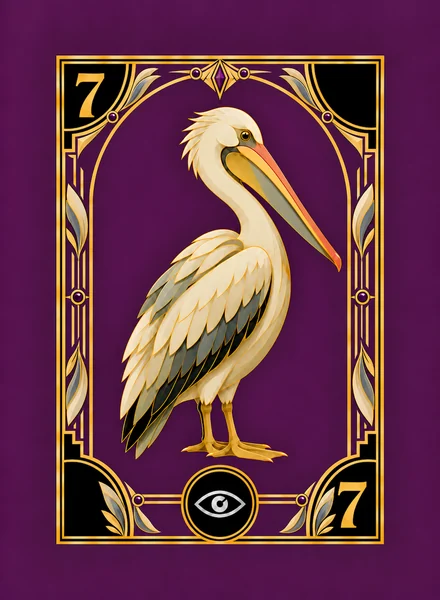
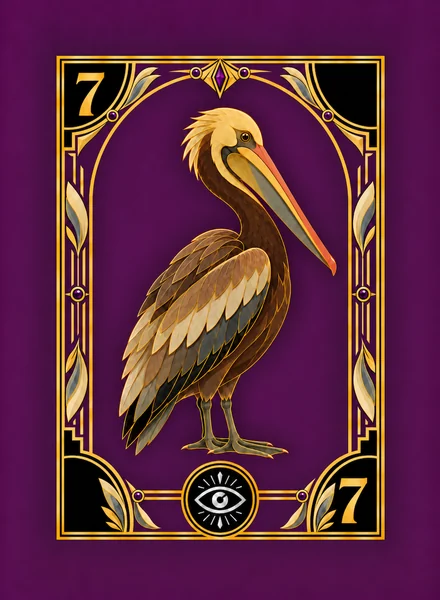
Match the bird, not merely its point value. Two pairs count as matches even though their illustrations differ:
- White Pelican ↔ Brown Pelican;
- Toco Toucan ↔ Golden Toucan.
However, the Shoebill does not match any Toucan, even though it too is worth 13 points. It belongs to a separate family.
Each reference card permits one attempt only, even if that attempt fails. A card removed by plucking can never immediately become a new reference card: no chain plucking.
3.2. When may you call it? Who has priority?
An attempt is possible at two distinct moments.
After your own secret draw: only you may attempt plucking with the card you just saw, before deciding to keep or discard it.
When the active player normally places a face-up card on the discard pile: any player except the active player may use that card as a reference. The active player may never call “PLUCKED!” using their own visible discard at this stage.
For a valid call, you must immediately do both things: clearly say “PLUCKED!” and point unmistakably to one specific face-down card. Touching it is not required. Calling out without indicating a target does not reserve priority; pointing without calling out is not enough. You cannot change your target after indicating it.
One attempt per reference card is allowed, successful or not. If several players act at once, priority goes to the first player to both call out and identify their target. If the order is genuinely impossible to determine, priority goes to the player closest to the active player in clockwise order.
You may not deliberately hover your hand over the cards while waiting. An illegal target is not a valid attempt: it grants no priority and does not close the plucking window for the other players.
Two essential limits: the initial card turned face up during setup is neutral; a card removed by plucking, although placed on the discard pile, never opens another immediate plucking opportunity. No chains are allowed.
DOUBLE PLUCK! is also available at both of these times, with two distinct targets, including opponent cards, subject to § 3.6. Call it and point to the first and second targets immediately.
3.3. Defensive success: remove one of your cards
If you correctly identify one of your own face-down cards as a match for the reference, your plucking attempt succeeds:
- Reveal the target card.
- Place it on the discard pile to remove it.
- Leave its previous position empty.
You now have one fewer card in front of you.
If the reference was your own newly drawn card, first put that drawn card on the discard pile, then place the removed card on top. The removed card becomes the new visible discard, but cannot trigger another immediate plucking attempt.
If the removed card has an ability, you — the player who succeeded — activate it, after the removal is completely resolved. Any abilities on the reference and the removed card are resolved in the order specified in § 6.10.
3.4. Offensive success: remove and give a card
You may also target a face-down card belonging to an opponent, provided you have at least one of your own cards to give them if successful.
If the target matches the reference:
- Reveal the opponent's card and put it on the discard pile to remove it.
- Choose one of your own face-down cards, without looking at it again.
- Give it to that opponent: it takes exactly the position of the opponent's card you just removed.
Result: you have one fewer card; your opponent keeps the same number of cards, as your gift replaces the removed one. You may give away your last card and end up with zero cards. Without a card to give, offensive plucking is not allowed.
If the reference came from your own draw, first put the drawn card on the discard pile, then the opponent's removed card. The new top card does not permit further immediate plucking. Resolve any abilities after the gift is complete, following §§ 6.1 and 6.10.
3.5. Failure: reveal and take a penalty
If the target does not depict the same bird or an allowed matching family as the reference, the attempt fails. Do the following in order:
- Show the target card to every player.
- Return it face down to precisely its original position.
- Only if the attempt followed your own secret draw: put that drawn card face up on the discard pile. It triggers neither its ability nor another plucking opportunity.
- Take the top card of the draw pile without looking at it.
- Add this unknown penalty card, face down, in any previously empty position of your choice. If no such position exists, create a new one. Move no other card.
If you failed while another player was taking their turn, you did not personally draw a reference card to discard: you receive only the penalty card.
The penalty triggers no ability or plucking. The attempt consumes the only opportunity provided by that reference: there is no second chance, even if another player knows a correct target.
If the draw pile is empty when you need the penalty, recycle the discard pile as described in § 7.1. The reference you had to discard after your own draw remains visible on top and is not shuffled back in.
3.6. “DOUBLE PLUCK!”: remove two cards
Double plucking is one attempt involving two distinct face-down cards. You may attempt it immediately after your own secret draw or during another player's turn, when that player normally puts a face-up card on the discard pile. In the latter case, the active player is not eligible, just as with “PLUCKED!”.
Clearly call “DOUBLE PLUCK!”, then immediately identify the first and second targets in that order. Both cards may be yours, belong to one or two opponents, or be split between your display and an opponent's. Each must match the reference card. You may not target a card already protected by an active BAO Shield if you would be changing it as an opponent.
Requirement for opponent targets: for each opponent's card you target, you must have a face-down card of your own to give them if you succeed, separate from any of your own cards targeted by the double attempt and from all other cards to be given. If you lack enough eligible cards, that combination of targets is forbidden.
If both targets match:
- If the reference came from your own draw, put it face up on the discard pile first. If it was another player's normal discard, leave that card where it is.
- Reveal and remove the first target, then the second, in the declared order. Put them on the discard pile in that order: the second removed card stays face up on top.
- For each removed opponent card, give that opponent one of your own face-down cards without looking at it again. It fills the exact space vacated. If both targets belonged to the same opponent, give them two different cards. A removed card of your own leaves an empty position. Complete every gift before abilities are resolved.
- Exactly one ability may be triggered by the double attempt: the ability of the second removed card only, if any. Neither the first removed card nor your drawn reference triggers an ability through double plucking. If the second card is the Golden Toucan, no ability triggers. White and Brown Pelicans match for plucking but have different abilities, so target order matters. If another player normally discarded the visible reference, that player's discard ability, if any, still resolves under the ordinary rules after plucking.
If either target is wrong: show both target cards and return each face down to its original position. There is no partial success and no gift. If the reference came from your own draw, discard it face up; it triggers neither an ability nor another plucking attempt. If it came from another player's discard, leave it in place. Take one unknown penalty card only, as in § 3.5. When recycling, do not shuffle in the face-up top discard.
Only one attempt per reference card, simple or double. Removed cards never allow chain plucking. For the BAO Shield, a successful double pluck and every corresponding gift form one complete action: if that is the first opposing change to the caller's cards, their Shield activates only after both removals and all gifts are finished, before later abilities (§ 4.2).
4. Ending a round: call BAO
4.1. When to call BAO and the final wingbeats
Calling BAO means you decide to bring the round to an end because you believe you will finish with strictly fewer points than every opponent. A tie, even for the lowest total, means your call fails.
You may call “BAO!” only at the end of your own turn, after your action, all possible plucking attempts and all abilities have been fully resolved. Once BAO has been called:
- No other player may call BAO during this round.
- Each opponent takes exactly one final turn, in the normal order: the final wingbeats.
- You do not take another normal turn, regardless of player count (including in a two-player game).
- During opponents' final turns, you may still call “PLUCKED!” when its conditions are met, remove your own or opponents' cards when allowed, and use abilities earned through these actions.
- The round ends as soon as the last opponent has completed their final turn, and everyone counts their cards.
The BAO caller receives special protection against opponents changing their cards, explained next.
4.2. The BAO Shield
After BAO is called, opponents may still change the caller's cards once. The BAO Shield becomes active only after that first effective change is completely finished. It never interrupts an action partway through.
A change means adding, removing, replacing, swapping or moving a card belonging to the caller. Secretly looking at or showing a card does not change the caller's display: these actions do not activate the Shield and are allowed even after it activates.
Example — offensive plucking: an opponent removes the caller's card and then gives the caller one of their own face-down cards. Both steps form one complete action. The Shield activates after the gift, not before.
Example — Shoebill: when an opponent uses this ability against the caller, the replacement affecting the caller's display must be fully completed before the Shield activates.
If plucking makes the first change and then triggers one or more abilities, the Shield already applies to those subsequent abilities: they cannot cause further changes to the protected display by an opponent.
Once active, the Shield prevents opponents from adding, removing, replacing, swapping or moving the caller's cards. They may still look at or show those cards. For instance, a Macaw may still look at a protected card, but cannot swap it.
The Shield never restricts the BAO caller's own actions. The caller can still change their own display through an authorised action, such as defensive plucking during an opponent's final turn, even after the Shield has activated.
DOUBLE PLUCK! and the Shield: both removals and all required gifts count as one complete action. If it makes the first opposing change to the caller’s cards, the Shield activates only after the entire action has finished and then blocks further opposing changes caused by abilities. Cards already protected by an active Shield cannot be targeted for changes by opponents.
4.3. Scoring the round
At the end of the round, every player reveals all remaining cards and adds up their point values. The Golden Toucan is worth –5. A player with no cards has a total of 0 points.
All players other than the BAO caller score their actual total, whether positive, zero or negative. There are three outcomes for the caller:
- Successful BAO, positive or zero total: the caller's total is strictly below that of every opponent; the caller scores 0 points for the round.
- Successful BAO, negative total: the caller satisfies the same strictly-lower condition but keeps that negative total as their round score (for example, –3 stays –3).
- Failed BAO: at least one opponent has an equal or lower total. The caller scores twice their own total, with a minimum of 5 points; in other words, record the greater of “2 × total” and “5”.
Examples:
- Your total is 4, and your opponents have 6 and 9: BAO succeeds, you score 0.
- Your total is 9, and an opponent has 7: BAO fails, you score 18.
- Your total is 2, and an opponent has 1: BAO fails; double is 4, but the minimum makes it 5.
- You finish on 0 and an opponent also has 0: the tie makes BAO fail; you score 5.
- You finish on 0, but an opponent's total is negative: BAO fails.
Negative-score case. The deck contains only one Golden Toucan (–5) and no other negative-value cards. Only one player can therefore have a negative total in any round. With this deck, a BAO caller who finishes with a negative total must succeed, even if they did not know the exact values of their cards when calling.
5. End of the game
5.1. Thresholds, winning and tiebreakers
After each round, add each player's score to their running total. A negative score reduces that total.
The game ends at the end of a round as soon as at least one player reaches or exceeds the threshold corresponding to the player count:
| Players | Game-end threshold |
|---|---|
| 2 | 70 points |
| 3 | 60 points |
| 4 | 70 points |
| 5 | 80 points |
| 6 | 90 points |
Reaching the threshold does not automatically mean losing. Compare everyone's running total: the lowest wins.
Tie for first place: if several players share the lowest running total, only those players play one deciding round, without a threshold. Deal 5 cards each if two players are tied, or 4 cards each if three or more are tied. Choose the starting player at random. The player with the lowest score in that deciding round alone wins. If there is another tie for the lowest score, repeat only among the players still tied.
6. Appendix A — Birds and their abilities
6.1. The only three ways to trigger an ability
An ability is activated only in one of these three situations, after any plucking attempts and at the time specified by the rules:
- You draw a card and discard it directly: once the other players have had the opportunity to pluck, you activate its ability, even if an opponent successfully plucked using it.
- You draw a card and successfully pluck using it as the reference: you activate that reference card's ability.
- An ability card is removed by successful plucking: the player who successfully plucked activates the removed card's ability.
An ability never triggers merely because its card was taken from the discard pile, kept face down, replaced, moved, swapped, given away after offensive plucking, added by a Toucan, added as a penalty, placed or removed by a Shoebill, or merely revealed because a plucking attempt failed. It does not trigger just because a Brown Pelican shows the card, either.
Remember the order of events: A CARD BECOMES VISIBLE → ANY PLUCKING IS COMPLETELY RESOLVED → ABILITIES ARE ACTIVATED. For multiple abilities, see § 6.10.
Double-plucking exception: even if several ability cards are involved, only the second removed card may trigger its ability, once. An ability on a drawn reference does not stack with it (§ 3.6 and § 6.10).
6.2. The 66 cards: complete deck list
The game contains 66 cards. Most are worth 1 to 13 points. One unique card, the Golden Toucan, is worth –5 points. The exact deck composition is:
| Bird | Points | Copies | Card effect |
|---|---|---|---|
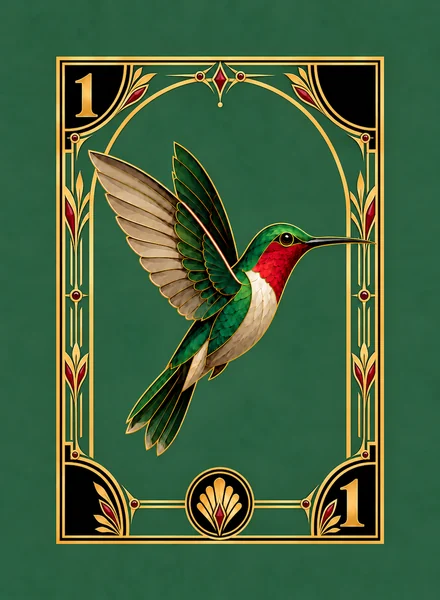
| Ruby-throated Hummingbird | 1 | 4 | None |
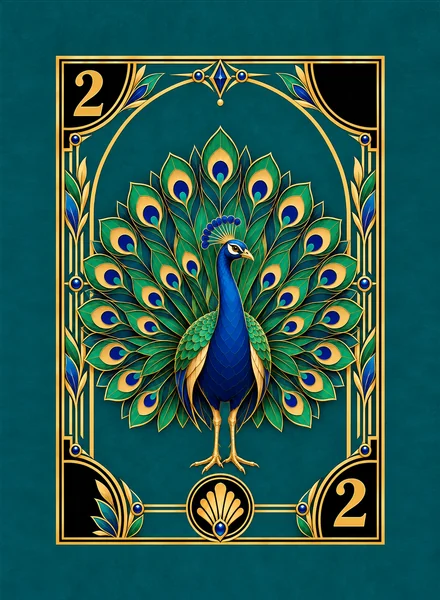
| Blue Peacock | 2 | 4 | None |
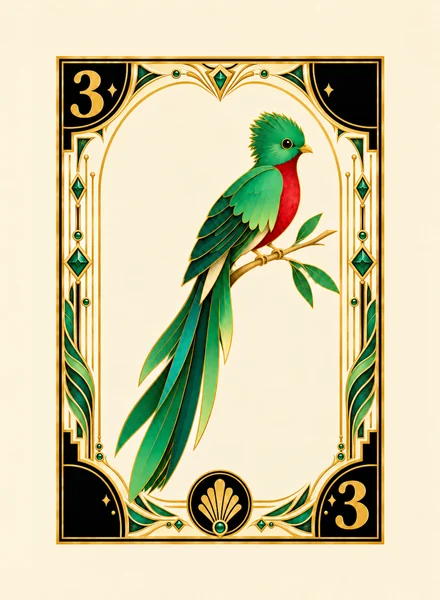
| Resplendent Quetzal | 3 | 4 | None |
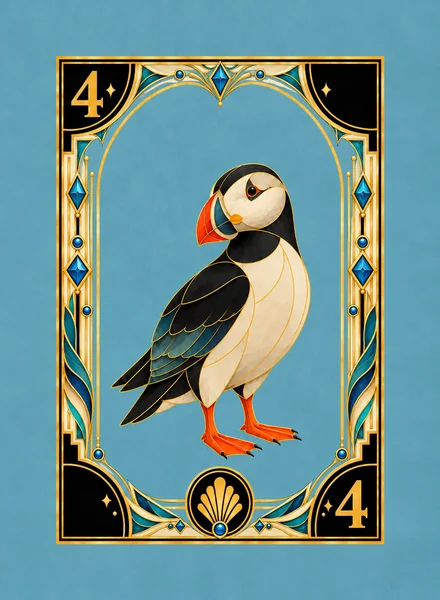
| Atlantic Puffin | 4 | 5 | None |
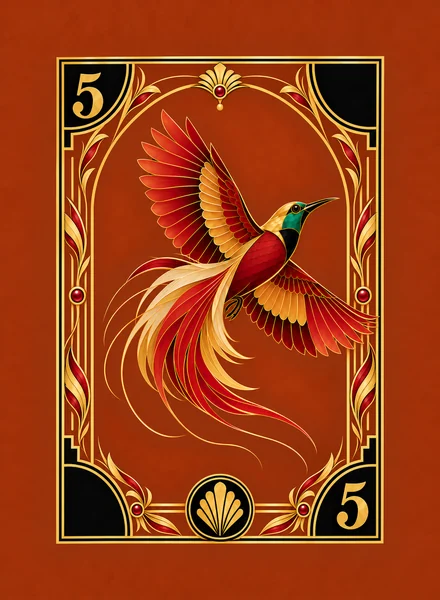
| Raggiana Bird-of-paradise | 5 | 5 | None |
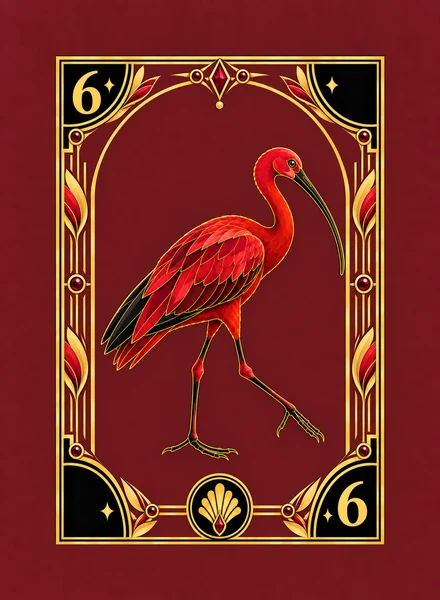
| Scarlet Ibis | 6 | 5 | None |
| White Pelican | 7 | 4 | Peek |
| Brown Pelican | 7 | 2 | Reveal |
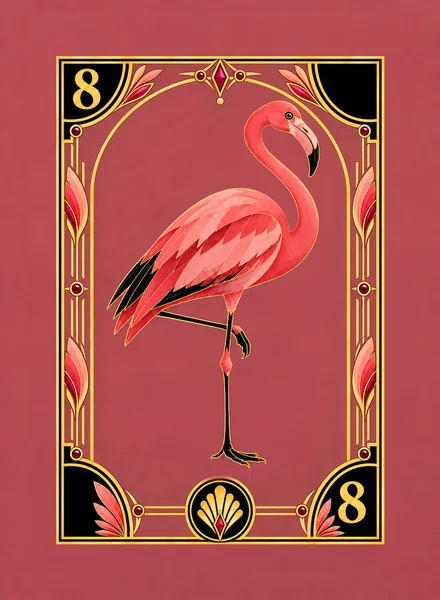
| Caribbean Flamingo | 8 | 6 | None |
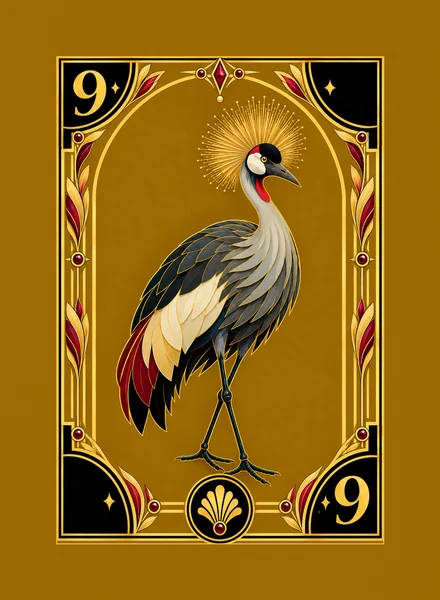
| Crowned Crane | 9 | 6 | None |
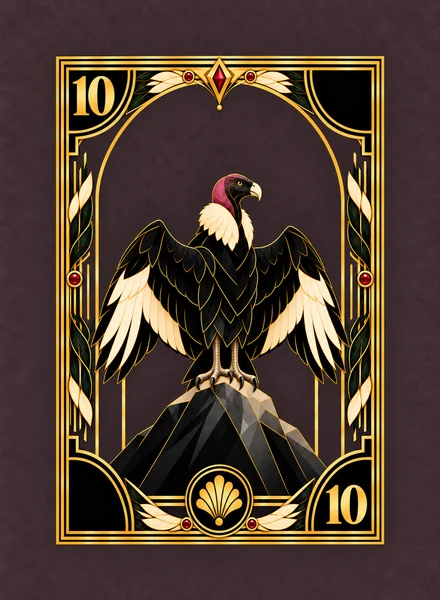
| Andean Condor | 10 | 6 | None |
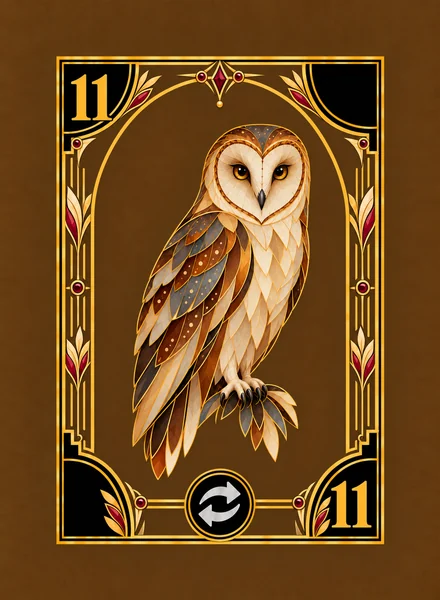
| Barn Owl | 11 | 4 | Swap |
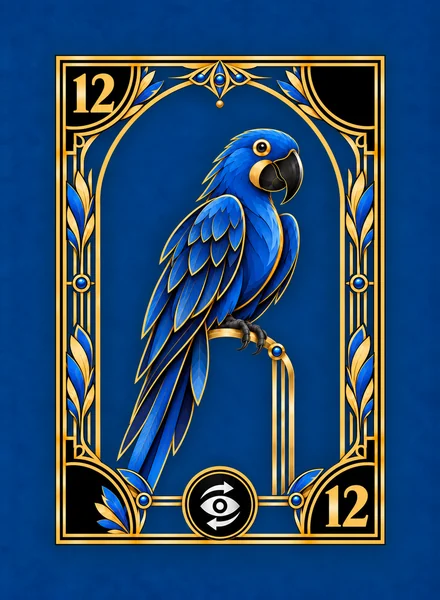
| Hyacinth Macaw | 12 | 4 | Peek / swap |
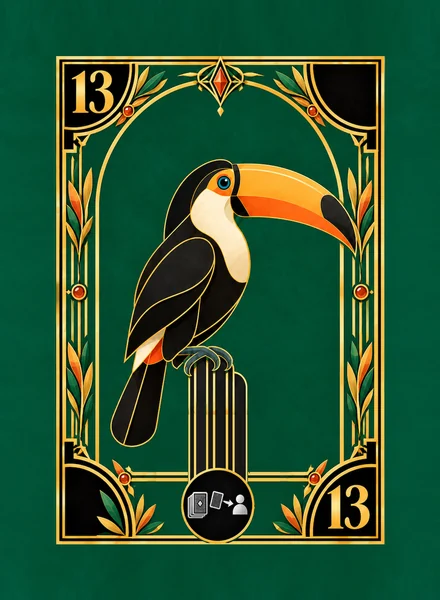
| Toco Toucan | 13 | 3 | Add |
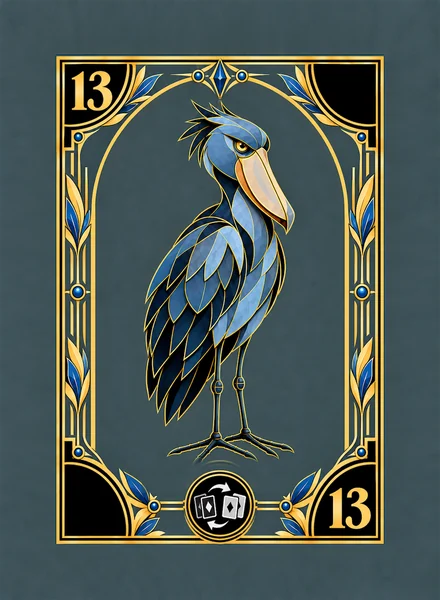
| Shoebill | 13 | 3 | Double replacement |
| Golden Toucan (“BaoBei”) | –5 | 1 | None |
| TOTAL | 66 |
An effect listed here does not mean it triggers whenever that card is seen. Apply only the three conditions in § 6.1.
6.3. White Pelican — peek
Choose any face-down card on the table, including one of your own. Look at it secretly, then return it face down to exactly the same position. Only you see its identity.
White and Brown Pelicans form one matching family for plucking, even though their abilities differ.
6.4. Brown Pelican — reveal
Choose any face-down card, whether yours or someone else's. Briefly show it to every player, then return it face down to exactly its original position.
Simply revealing a card does not trigger an ability or allow plucking. However, White and Brown Pelicans are considered the same family whenever either is used as a valid plucking reference.
6.5. Barn Owl — swap
Choose two face-down cards belonging to two different players. You may be one of those players. Swap them without looking at them.
If two eligible cards belonging to two different players do not exist, the ability has no effect. Swapped cards retain their identity but change position; players must update their memory accordingly.
6.6. Hyacinth Macaw — peek, then optionally swap
Choose two face-down cards belonging to two different players; you may be one of them. Secretly look at both cards, then either leave them where they are or swap them, as you wish. The swap is optional.
If two eligible cards belonging to different players cannot be chosen, the ability has no effect. If swapped, the cards retain their identity; only their positions change.
6.7. Toco Toucan — add
Choose one opponent. Take the top card of the draw pile without looking at it and add it face down to that opponent's display. That opponent puts it in any previously empty position of their choice. If none exists, they create a new, distinct position. No other cards are moved to make room.
Nobody may look at the added card. It triggers neither an ability nor plucking. The Toco Toucan can also target a player who has no cards left: this is the only way to give a card back to a player with zero cards.
The Toco Toucan is in the same plucking family as the Golden Toucan, but not the Shoebill.
6.8. Golden Toucan — Bao Bei’s treasure
Golden Toucan (“BaoBei”) — –5 points — no ability. It represents Bao Bei's treasure and is a unique card that subtracts five points from its owner's total. It matches the Toco Toucan for plucking. Despite its distinct colour and special value, it triggers no special action.
6.9. Shoebill — double replacement
Shoebill — 13 points — double replacement. When its ability triggers:
- Draw the top two cards and look at them secretly.
- Choose one to replace one of your own face-down cards; the other must replace one face-down card belonging to an opponent.
- Put both new cards face down in the positions of the replaced cards.
- Remove the two old cards without revealing them and slide them face down beneath the discard pile. Their identities remain unknown: they trigger neither abilities nor plucking.
If one replacement is impossible, make only the possible replacement. Put any drawn card that cannot be used face down beneath the discard pile. For example, if you have no cards left, you can still replace an opponent's card, but you do not receive a card yourself. If neither replacement is possible, put both drawn cards face down beneath the discard pile.
The Shoebill is its own plucking family: it does not match the Toco or Golden Toucan, even though both Shoebill and Toco Toucan are worth 13 points.
6.10. Ability order and restriction on moving cards
Finish all steps of plucking, including every required gift, before resolving any ability.
After a successful single pluck using your own draw, resolve any eligible abilities one after another in this order:
- The ability of the drawn reference card, if it has one.
- The ability of the removed card, if it has one.
With single plucking on another player's discard, the successful player may use the removed card's ability; the ability of the normally discarded reference remains available to the active player, under § 6.1.
After a successful DOUBLE PLUCK!, only one ability belongs to the successful player: that of the second removed card, if any. The first removed card's ability and that of a drawn reference are not added. The active player's ability from a normally discarded reference remains independent and resolves after the special action.
Complete each ability fully before moving on. If part of an effect is impossible, resolve only what can be done without inventing a card or target. If nothing is possible, the ability has no effect.
Throughout the entire turn: no card may be moved, swapped or replaced twice by abilities in the same turn, even if those abilities are used by different players or result from different actions. That card may still be looked at or shown more than once. The restriction ends when the next turn begins.
Example: a Macaw swaps cards A and B. No ability may move, swap or replace A or B again in that turn. A Pelican may still peek at or reveal them.
7. Appendix B — Special situations
7.1. Recycling the discard pile when the draw pile is empty
Whenever a rule requires drawing and the draw pile has no cards left:
- Leave the top card of the discard pile face up.
- Take all other cards from the discard pile.
- Include cards that Shoebills previously placed face down beneath the discard pile.
- Shuffle all of those cards without revealing any that were hidden.
- Form a new face-down draw pile, then immediately resume the interrupted action.
You may need to recycle during an ability, between the Shoebill's two draws, when a Toco Toucan must draw, or when a penalty card must be taken. After a failed pluck using your own drawn reference, that reference card must remain face up on top of the discard pile, even if you recycle to obtain the penalty.
If no cards are actually available to create a new draw pile, skip only the draw that cannot be made, and continue any other possible parts of the action.
7.2. Second recycling: automatic round ending
Count the times the discard pile is recycled during each round. The first recycling changes nothing: play continues normally.
If a second recycling becomes necessary in the same round, recycle normally, then start the automatic final phase:
- The active player fully finishes their action, any plucking and resulting abilities, then their turn.
- Each other player takes exactly one final turn in the normal order. The player who triggered this phase takes no further turn.
- During this phase, nobody may call BAO and no BAO Shield applies. Ordinary turns, plucking and abilities remain possible.
- Once the last player has finished their final turn, the round ends. Everyone records their actual normal score, without any BAO bonus or penalty.
7.3. Player with zero cards: what is still allowed
You may reach zero cards, for instance after plucking. Your total is 0 points, but you remain in the round.
As long as you have no cards:
- you cannot succeed at defensive plucking (you have no card to remove), attempt offensive plucking (you have no card to give), or attempt double plucking;
- you cannot take the discard pile's top card, because you have nothing to replace;
- no opponent may pluck a card from your display, because you have none to target;
- on your turn you must draw, look at the card, then discard it directly; if it has an ability, activate it normally after the other players' plucking opportunity;
- you may still call BAO at the end of your turn, but a tie on zero or an opponent's negative total makes your call fail.
Only a Toco Toucan activated by an opponent can give you a card again: it adds an unknown face-down card in one of your old empty positions, if any exist, or otherwise in a new position of your choice. You then regain all normal playing options.
8. Quick reference and FAQ
8.1. A turn in four steps
- CHOOSE: draw a face-down card or take the visible discard.
- ACT: if you drew, you may immediately pluck using that reference; otherwise, keep the drawn card (replacing one of yours) or discard it. If you took the discard, replacement is compulsory.
- RESOLVE: let the eligible players attempt plucking with each newly visible normal discard, then activate eligible abilities in the correct order.
- DECIDE: you may call BAO only at the end of your turn.
Essential sequence: VISIBLE CARD → PLUCKING → ABILITIES. An ability triggers only in the three cases in § 6.1. Simply taking a discard, replacing, swapping, gifting, adding or receiving a penalty never triggers an ability.
8.2. Plucking summary
| Situation | Result |
|---|---|
| Correct “PLUCKED!”, on your card | Remove your card: you have one card fewer. |
| Correct “PLUCKED!”, on an opponent's card | Remove their card, then give them one of yours: you have one card fewer. |
| Incorrect “PLUCKED!” | Show and return the target, then take one unknown penalty card. |
| Failed attempt after your own draw | Discard your drawn reference before taking the penalty; its ability does not trigger. |
| Correct “DOUBLE PLUCK!” | After your draw or another player’s discard, remove two matching cards, your own or opponents’; give one of your cards per opposing target; only the second removed card may trigger an ability. |
| Incorrect “DOUBLE PLUCK!” | Return both targets, discard the reference only if you drew it yourself, and take one penalty card. |
| A card is removed | It becomes visible on the discard pile but cannot be used for immediate chain plucking. |
| A single reference card | Allows at most one attempt, whether successful or not. |
8.3. BAO outcomes
| BAO caller's final situation | Score recorded |
|---|---|
| Strictly less than every opponent; positive or zero total | 0 points |
| Strictly less than every opponent; negative total | Their negative total |
| At least one opponent has the same or fewer points (including a tie) | Greater of 2 × their total and 5 points |
Players who did not call BAO record their actual total. A player with zero cards has 0 points. Because there is only one Golden Toucan, a caller with a negative total necessarily wins the round.
8.4. FAQ: matching birds and plucking
Can a White Pelican pluck a Brown Pelican, or vice versa? Yes. Both Pelicans form one matching family, despite their different abilities.
Does the Golden Toucan match the Toco Toucan? Yes. They belong to one family. The Golden Toucan is worth –5 points and has no ability.
Does a Shoebill match a Toucan because both are worth 13? No. It is the bird or a specifically allowed family, not the point number, that defines a match.
May I call “PLUCKED!” after drawing myself? Yes, immediately, before deciding to keep or discard the card. Only you may pluck using your own secret draw.
May I double-pluck using an opponent's discard? Yes. Immediately after their normal discard, call “DOUBLE PLUCK!” and name two distinct targets in your own or other players’ displays. Every opponent target requires one of your available cards to give away if successful.
Can offensive plucking leave me with zero cards? Yes. You may give away your last card and continue the round with zero.
Can I pluck offensively if I have zero cards? No. Giving one of your own cards is compulsory after a successful offensive pluck.
Does a card shown by the Brown Pelican allow plucking? No. Revealing a card does not create a valid visible reference for plucking.
If I fail while another player is taking a turn, do I need to discard a card I drew? No. You receive only the penalty. Discarding the reference is required only if the failed attempt followed your own draw.
Does the first discard at setup allow plucking or activate an ability? No. It is neutral.
Can I pluck again using the card I just removed? No. Chain plucking is never allowed.
Which ability triggers after successful double plucking? Only the second removed card’s ability, if any. The Pelican variants match but have different abilities. The Golden Toucan has none.
May abilities move the same card twice in a turn? No. A card may not be moved, swapped or replaced twice by abilities during the same turn. It may still be peeked at or revealed.
8.5. FAQ: turns, abilities and BAO
Can I take the discard and keep it without replacing a card? No. Replacing one of your cards is compulsory; with zero cards you cannot take the discard.
Does a card activate its ability if it is replaced, received, gifted, revealed or swapped? No. Only the three triggers in § 6.1 activate an ability.
Do I leave the round if I have zero cards? No. Keep drawing and discarding directly, triggering abilities when applicable. You may still call BAO. Only the Toco Toucan can add a card to your empty display.
Does BAO end the round immediately? No. Every opponent takes one more turn. The caller takes no further normal turn, even with two players, but can still perform eligible plucking.
Does the Shield stop players looking at the caller's cards? No. Looking or revealing remains allowed. After one complete first change by an opponent, the Shield prevents only further changes by opponents.
Can I change my own cards while my Shield is active? Yes. It protects only against other players' actions.
What if there are not enough cards for a required draw? First recycle the discards, leaving the top card visible and taking all others, including the cards secretly placed beneath by Shoebills. If there are no cards available, skip only the impossible draw, continuing any effects that can be performed.
Why track recycling? A second recycling starts an automatic final phase: the active player finishes, then each other player gets one final turn, without BAO, using normal scoring.
8.6. The three rules to remember
MEMORY: a card stays in its position until a rule allows it to move. An emptied position stays empty until an added card is placed there.
PLUCKING: same bird or an allowed matching family → remove the card; wrong guess → penalty. One attempt per reference, never in a chain. Call “PLUCKED!” for a single attempt.
BAO: call it only at the end of your turn; each opponent takes one final turn; the Shield activates after one complete first change by an opponent. A tie makes BAO fail.
BAO BEI — OBSERVE. REMEMBER. TAKE RISKS. PLUCK. CALL BAO AT JUST THE RIGHT MOMENT.
“DOUBLE PLUCK!” may follow your own draw or another player’s discard, targeting two distinct cards in any players’ displays; the only possible ability is the second removed card’s.